Rail transport planning
Define the route, operating sequence and cargo requirements before movement.
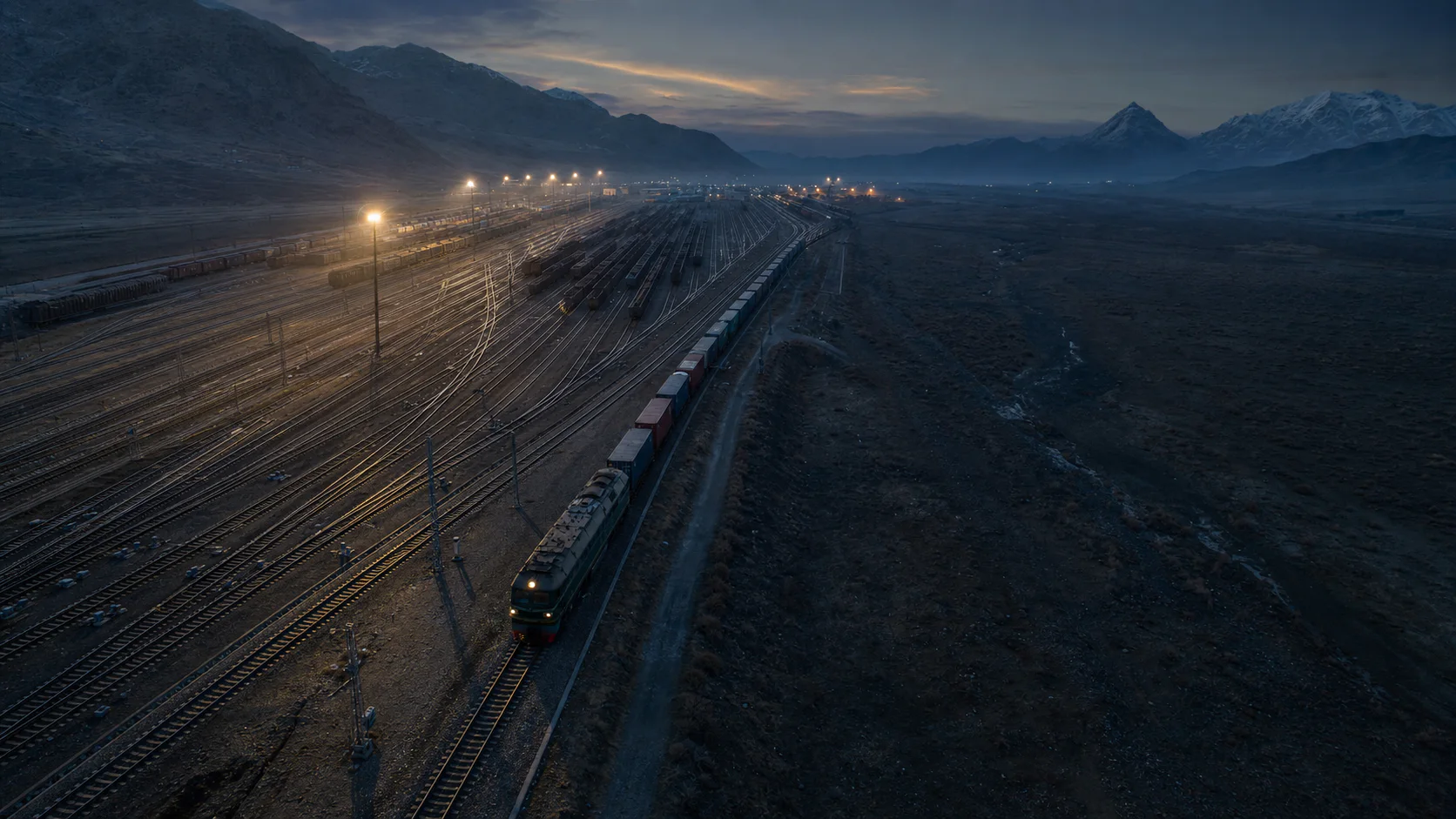

Before movement
Rail planning, road connection, documents and border handoff in one operating flow.
Public channel preparation
The launch time will be announced after approval.
Asia/Tehran
Protecting cargo continuity
Each service closes a potential gap between a decision, a document and actual freight movement.
Define the route, operating sequence and cargo requirements before movement.
Align operating capacity with cargo and terminal conditions.
Connect rail and road at controlled mode transfers.
Keep freight documents aligned with the actual operating state.
Manage the exchange and delivery sequence at regional connections.
Maintain one clear communication path through the agreed delivery stage.
Sahand Logistics uses operating experience to support clear decisions and disciplined communication.
Each output is defined without making unverified claims about capacity or coverage.
Review cargo type, operating points and movement requirements before assigning resources.
Coordinate wagon specifications, loading timing and terminal readiness from approved information.
Design transfer points that preserve cargo continuity between transport modes.
Align waybills and required documents with operations and exchange points.
Follow party readiness and transfer order while keeping information connected.
Record key states and pass necessary information through the destination stage.
Afghanistan and Khorasan

Value here comes from coordinating delivery between rail, road, terminals and documents.
Sulfur and Central Asia
Mineral freight requires coordination between production origin, wagon type, documents and exchange point.
This image represents an operating focus, not confirmed capacity or coverage.

Regional connection logic
Each final route depends on an operating review and approval by the parties involved.
Select a route to follow its operating nodes across the map.
Bandar Abbas, Bafq, Tabas, Torbat Heydarieh, Khaf, Shamtigh, Herat
Bandar Abbas, Bafq, Tabas, Torbat Heydarieh, Mashhad, Sarakhs
Decisions are easier to track and each handoff carries the context of the previous stage.
Plans, documents, cargo states and handoff points stay within one communication flow.
Necessary information moves between origin, terminal and destination in a clear structure.
Each stage and its dependencies are defined before operations begin.
Freight documents remain aligned with real events along the route.
The next step is planned from approved information at the current stage.
This form only reviews required information. Submission remains disabled until a public channel is approved.
No data is stored or sent, and the interface will not simulate success.
